 EN
EN



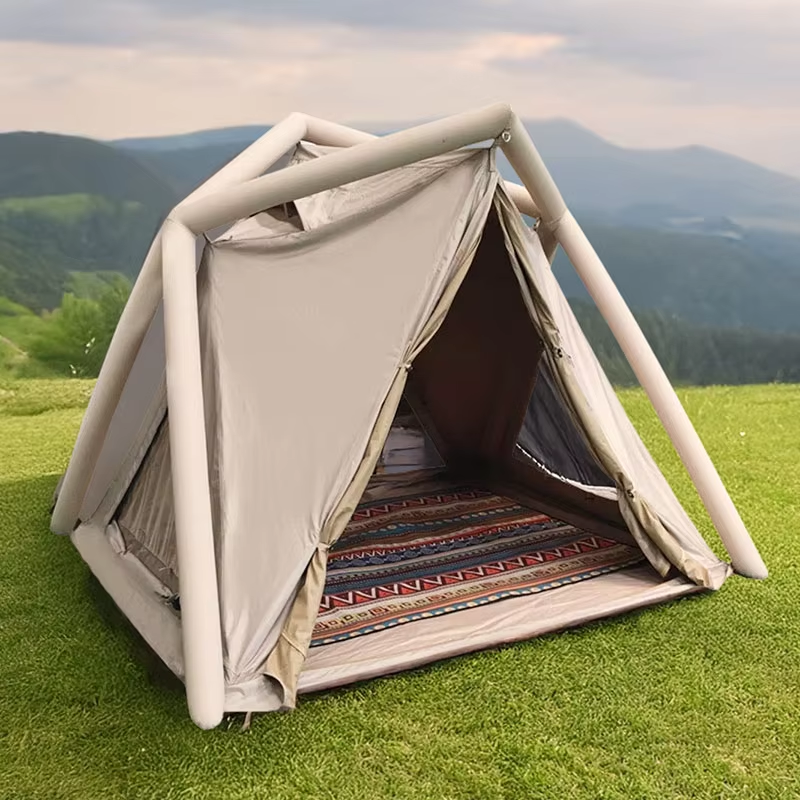
Увод
Знам да су цијене шатора за камповање већ међу највишим стопама код опреме за отворен ваздух, поготово на тржиштима на којима су трендови удобност, путовање са породицом и једноставна инсталација. Разумем да би у случају дистрибутера и мало-продаваца било потребно дубље разумевање од самог прегледа колекција производа; разматрања која су потребна укључују разумевање тржишних варијабли, могућности производње, регулаторних захтјева и трошкова рада на дужи рок. Овај водич ће пружити информативне упутства како би B2B купци могли доносити одговарајуће одлуке о куповини шатора за надувавање који могу задовољити захтјеве региона и стратегију производа.
1. Ускладите спецификације са локалним тржишним захтјевима
Научио сам сваку област са њеним навикама и захтевима у вези са кемповањем и начинима коришћења током године. На пример, шаторе које европски купци често користе обухватају моделе који могу издржати дужи боравак на отвореном, повећану влажност и чак и већу брзину ветра. Истовремено, тржиште САД-а је углавном оријентисано на пространије моделе који се могу користити приликом породичног кемповања, у парковима и на престоницама. Са знањем ових разлика, можете доносити одлуке о избору величине шатора, распореда, врста и врсти тканина који ће импресионирати локалне потрошаче. Правилно усклађивање са тржиштем побољшава перформансе продаје, али и смањује враћања.
2. Процените структуру ваздушних греда и квалитет тканине шатора
Svestan sam činjenice da je upravo konstrukcija vazdušnih greda i materijal šatore od presudne važnosti za ukupnu kvalitetu života i zadovoljstvo koja se pruža kupcima. Vazdušne grede proizvedene toplotnom zavarenom tehnikom trebalo bi da budu efikasne u pogledu ponovljenih ciklusa naduvavanja, dok su tkanine od ripstop poliestera jačine 210 D - 420 D korisne u smislu zaštite od vremenskih nepogoda. Mogućnost korišćenja materijala koji će odgovarati vašem tržištu u zavisnosti od uslova, bilo da su lagani ili visoke gustine, obezbediće vam konkurentan proizvod koji će doneti dugoročnu vrednost vašem tržištu.
3. Zahtevi za usaglašenost za tržišta SAD-a i EU
Научио сам да је приступање један од важних аспеката набавке у пословању са пословним партнерима. Имајући потребне стандарде као што су тестирање материјала по ЕУ REACH, безбедносно тестирање шатора по EN 5912 или стандарди отпорности на пламен CPAI-84 САД, биће лакше избећи проблеме приликом проласка кроз царину, а ваш производ ће имати већу веродостојност. У сваком случају, можете се ослонити на добаљача који већ испоручује на друга компатибилна тржишта, што ће обезбедити познатије податке и уштедети вам муку са тестирањем након производње или одлагањем испоруке.
4. Разумевање укупне цене изван јединичне цене
Nisam neupućen u činjenicu da je jedinična cena samo deo ukupnih troškova nabavke. Veličina pakovanja definiše troškove isporuke, izbor materijala definiše garancijske performanse, a dizajn definiše montažu i zadovoljstvo kupca. Šator koji je skuplji, ali obećava malo bolje performanse cevi i odličnu vodootpornost, u dugoročnoj perspektivi obično košta manje. Pri proceni dobavljača, treba uzeti u obzir ukupne troškove, koji u obzir donose dugoročne aspekte uz varijacije cene na jediničnoj osnovi.
5. Prakse kontrole kvaliteta za proveru pre naručivanja
Takođe sam shvatio da procesi kontrole kvaliteta podrazumevaju da je vaš proizvod stabilan tokom masovne proizvodnje. Profesionalna postrojenja takođe obavljaju testove pritiska, vodootpornosti, testove čvrstoće šavova, kao i ispitivanja sistema šatora, kako bi se osigurala jednoličnost. Kada dobavljač prezentuje evidenciju procedura kontrole, on vam daje poverenje da će šatori u različitim serijama i pošiljkama funkcionisati kako je očekivano.
Закључак
Takođe sam saznao da bi odabrao odgovarajući tip naduvavog kamperskog šatora, neophodno je poznavati zahteve terena, proceniti materijale, obezbediti odgovornost, kao i kontrolisati ukupnu cenu. Kada se ovo sve integriše, prodavci će biti u mogućnosti da stvore jače linije proizvoda i snabdeju šatorima koji će funkcionalno odgovarati stvarnim uslovima na otvorenom.