 EN
EN



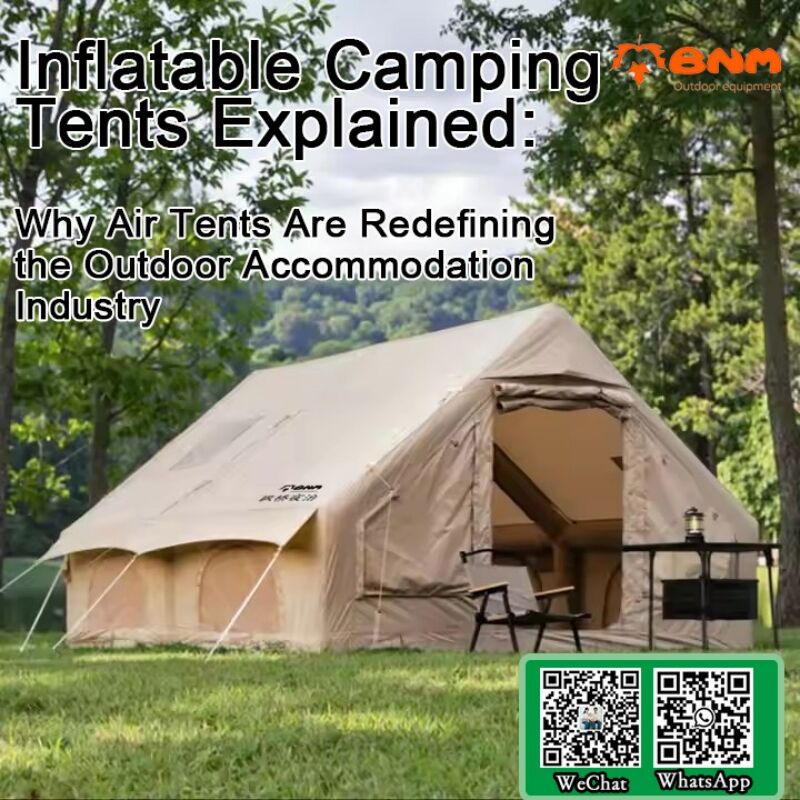
Why Inflatable Camping Tent Solutions Are Transforming Outdoor Accommodation
The global outdoor accommodation industry is undergoing a structural shift. Traditional pole-based camping tent systems, once considered the standard for outdoor lodging, events, and temporary structures, are increasingly unable to meet modern commercial requirements. As labor costs rise, setup efficiency becomes critical, and end users demand higher comfort and safety standards, inflatable camping tent solutions have emerged as a new industry benchmark.
An inflatable camping tent is no longer perceived as a lightweight recreational product designed solely for individual campers. Instead, it has evolved into a scalable, engineered tent system widely adopted by glamping resorts, eco-lodges, event organizers, rental operators, and brand owners seeking fast-deployment, durable, and visually distinctive accommodation solutions. This transformation is driven by advancements in air-beam technology, material engineering, and large-scale manufacturing capabilities.
From a B2B perspective, the inflatable tent category represents more than a product trend. It reflects a change in procurement logic. Buyers are shifting their focus from unit price toward total lifecycle value, operational efficiency, and long-term scalability. Inflatable tent systems significantly reduce installation time, lower labor dependency, and simplify logistics—factors that directly impact profitability for commercial operators.
Manufacturers such as MBNM have positioned inflatable camping tent solutions as modular, customizable systems rather than single-use products. Supported by experienced export partners like Hebei Rongyida Trading Co., Ltd., these solutions are now supplied globally to distributors, project contractors, and private-label brands seeking reliable and repeatable outdoor accommodation models.
In this article, we will systematically explain what defines a commercial-grade inflatable camping tent, how it differs from traditional tent structures, and why demand for inflatable tent systems continues to accelerate worldwide. This first section lays the foundation for understanding why inflatable tents are redefining the outdoor accommodation industry at scale.

What Is an Inflatable Camping Tent?
An inflatable camping tent is a tent structure that relies on pressurized air beams instead of rigid metal or fiberglass poles to create its primary load-bearing framework. These air beams, typically constructed from high-strength TPU or PVC-coated materials, form the skeleton of the tent once inflated, providing structural stability, shape retention, and wind resistance.
From a commercial standpoint, a professional inflatable camping tent must meet criteria far beyond casual consumer products. It must be designed for repeated use, large-scale deployment, and variable climate conditions. This includes reinforced air tubes, high-denier fabric shells, industrial-grade valves, and modular design features that allow scalability and customization.
Unlike traditional tent systems that require precise assembly sequences and skilled labor, an inflatable tent can often be fully erected by two to three people within minutes using an electric or manual pump. This operational advantage has made inflatable tent solutions particularly attractive to B2B buyers managing multiple units or temporary installations.
Commercial inflatable tent designs offered by manufacturers such as MBNM are typically engineered with integrated waterproofing, UV resistance, and optional insulation layers. These features allow the tent to function as a semi-permanent accommodation structure rather than a short-term shelter. In addition, inflatable tent layouts can be customized to include multiple rooms, large panoramic windows, ventilation systems, and branded exterior surfaces.
Hebei Rongyida Trading Co., Ltd. plays a key role in facilitating the export and customization process for international clients, ensuring that inflatable tent specifications align with destination market requirements, safety standards, and branding objectives.
In essence, a modern inflatable camping tent should be understood not as a simple outdoor product, but as a flexible architectural solution designed for commercial deployment across diverse industries.
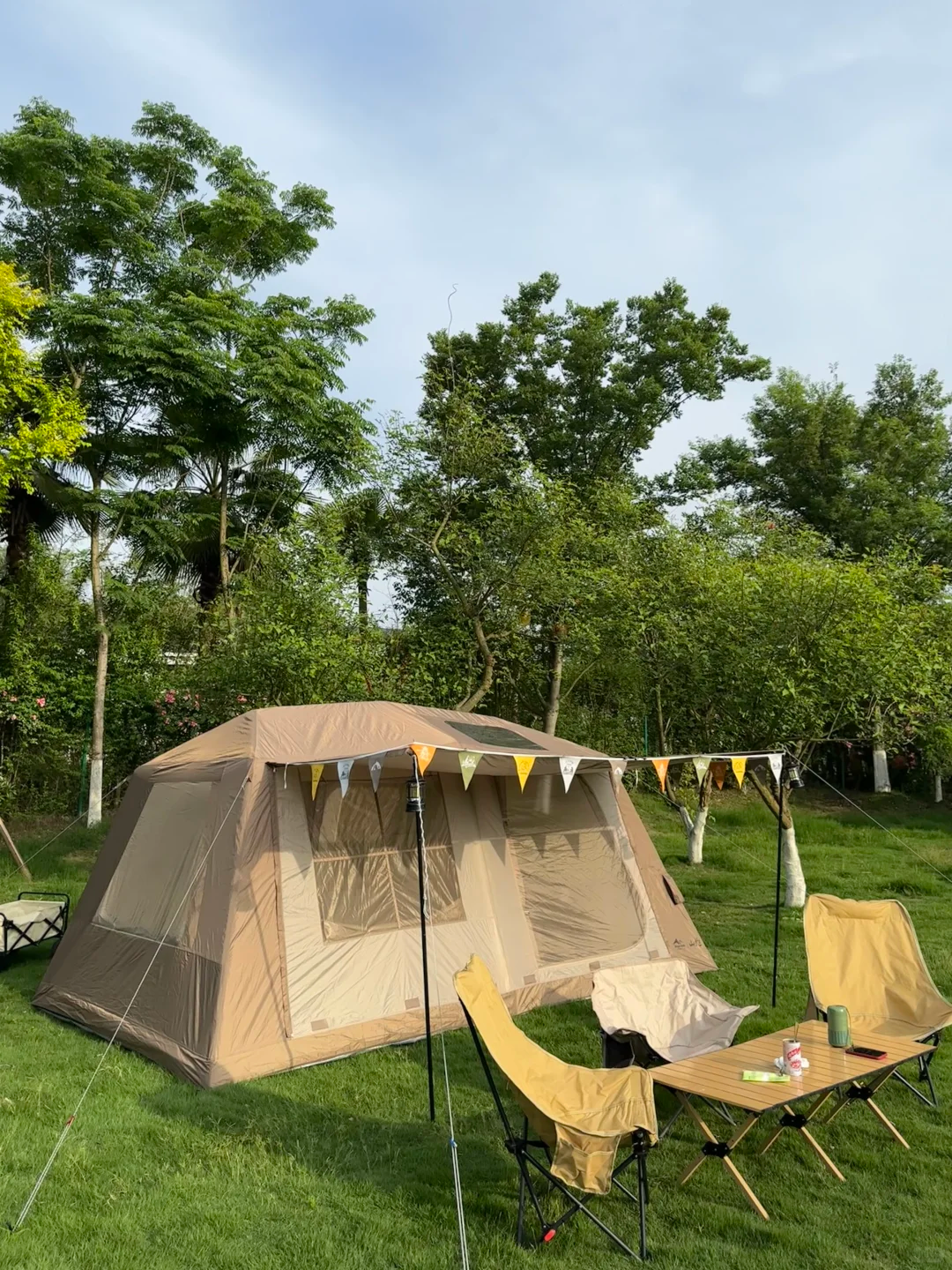
Inflatable Tent vs Traditional Tent Systems
The fundamental difference between an inflatable tent and a traditional pole-based tent lies in structural philosophy. Traditional tent systems depend on rigid frames to maintain shape and stability. While effective, these systems introduce complexity in transportation, setup, and maintenance—factors that become increasingly problematic in commercial environments.
An inflatable tent replaces rigid poles with pressurized air beams that distribute load evenly across the structure. This results in improved flexibility under wind stress, reduced risk of structural failure, and greater safety for occupants. When external forces act on an inflatable tent, the structure absorbs and redistributes pressure rather than resisting it rigidly.
From an operational perspective, inflatable tent systems dramatically reduce setup time. A traditional large-format tent may require several hours and specialized labor to assemble, whereas an inflatable tent of comparable size can often be deployed in under 20 minutes. For rental operators and event companies, this time efficiency directly translates into cost savings and higher turnover rates.
Logistics is another critical differentiator. Traditional tent frames consist of multiple metal components that increase shipping volume and weight. Inflatable tents, by contrast, can be deflated, folded, and packed into compact transport units. This reduces shipping costs and simplifies inventory management, particularly for international distributors working with manufacturers like MBNM.
In terms of maintenance, inflatable tents eliminate corrosion issues associated with metal frames. High-quality inflatable tent systems use abrasion-resistant fabrics and replaceable air tubes, allowing damaged components to be repaired or replaced without dismantling the entire tent.
For B2B buyers evaluating long-term deployment, inflatable tent systems present a more adaptable and cost-effective solution compared to traditional tent structures.
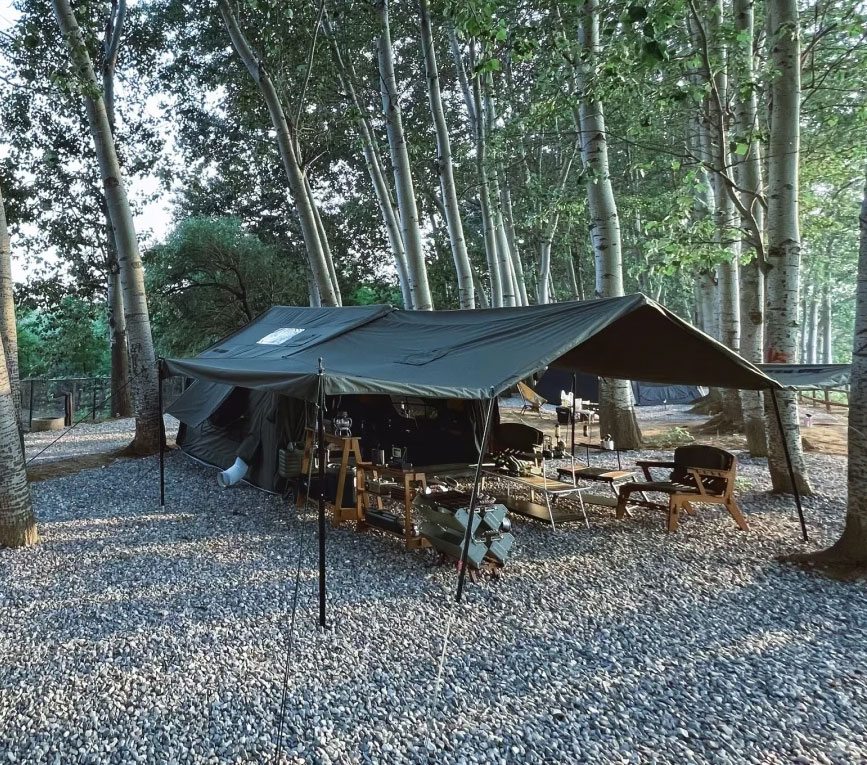
Why Inflatable Camping Tent Demand Is Growing Globally
Global demand for inflatable camping tent solutions is driven by structural changes across multiple industries. The rapid growth of glamping, eco-tourism, and experiential travel has created demand for accommodation that combines comfort, visual appeal, and operational efficiency. Inflatable tents meet these requirements more effectively than traditional structures.
In emerging and mature markets alike, land-use regulations and environmental concerns favor temporary or semi-permanent structures. Inflatable tents offer a low-impact footprint while still delivering high-end user experiences. This has made inflatable tent systems particularly popular among resort developers and tourism operators seeking fast project deployment without permanent construction.
Another key driver is labor availability. As skilled labor becomes more expensive or scarce in many regions, businesses are prioritizing solutions that reduce dependency on complex installation processes. Inflatable tent systems align perfectly with this requirement by enabling rapid deployment with minimal training.
From a supply-chain perspective, manufacturers such as MBNM have expanded production capacity and standardization, allowing inflatable camping tent solutions to be delivered at scale without compromising quality. With the support of Hebei Rongyida Trading Co., Ltd., international buyers benefit from streamlined sourcing, consolidated logistics, and consistent quality control.
Additionally, brand owners are increasingly leveraging inflatable tents as differentiated products. Custom shapes, colors, and layouts enable brands to stand out in competitive markets, whether through private-label offerings or bespoke project installations.
As outdoor accommodation continues to evolve toward flexibility, scalability, and efficiency, inflatable camping tent demand is expected to maintain strong upward momentum worldwide.
Commercial Advantages of Inflatable Tent Solutions
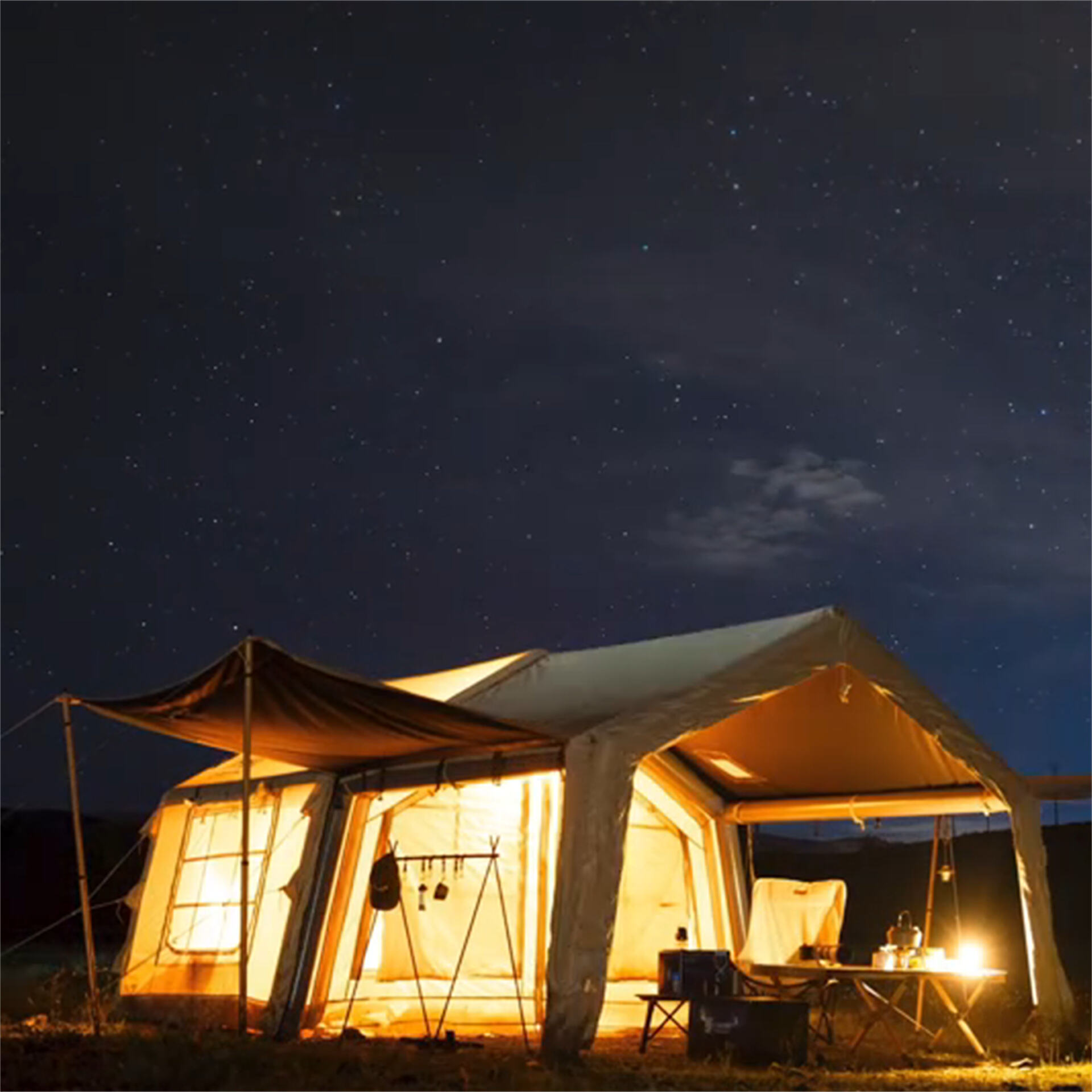
Inflatable tent solutions offer significant advantages for B2B buyers seeking flexible, cost-efficient, and scalable shelter systems. Compared with traditional framed or steel-structure tents, inflatable tents reduce total cost of ownership by integrating structural support into air-beam systems, minimizing labor, installation, and maintenance expenses. Modular design allows businesses to deploy multiple units as accommodation clusters, event zones, or rental fleets, providing operational flexibility and supporting gradual scalability as demand grows.
Rapid deployment is another key benefit. Inflatable tents can typically be installed by a small team within hours, enabling glamping resorts, event organizers, and temporary accommodation operators to respond quickly to market demand. This efficiency reduces labor costs, downtime, and the risk associated with seasonal or temporary projects.
Customization and branding further enhance commercial value. Large exterior surfaces allow logos, colors, and unique shapes, helping operators differentiate their offerings and create premium guest experiences. Inflatable tents also offer logistical advantages: when deflated, they are lightweight, compact, and easier to ship and store, lowering transportation costs and simplifying inventory management.
Manufacturers such as MBNM design commercial-grade inflatable tents to meet operational, aesthetic, and safety standards, while Hebei Rongyida Trading Co., Ltd. provides reliable supply-chain coordination and international shipping support. Together, they enable B2B buyers to achieve a high return on investment, operational efficiency, and long-term asset flexibility with minimal risk.
Safety and Stability in Inflatable Camping Tent Design
For commercial buyers, safety and structural stability are non-negotiable requirements when selecting any tent-based accommodation system. A professionally engineered inflatable camping tent addresses these concerns through its air-beam-based structural logic, which differs fundamentally from rigid-frame constructions.
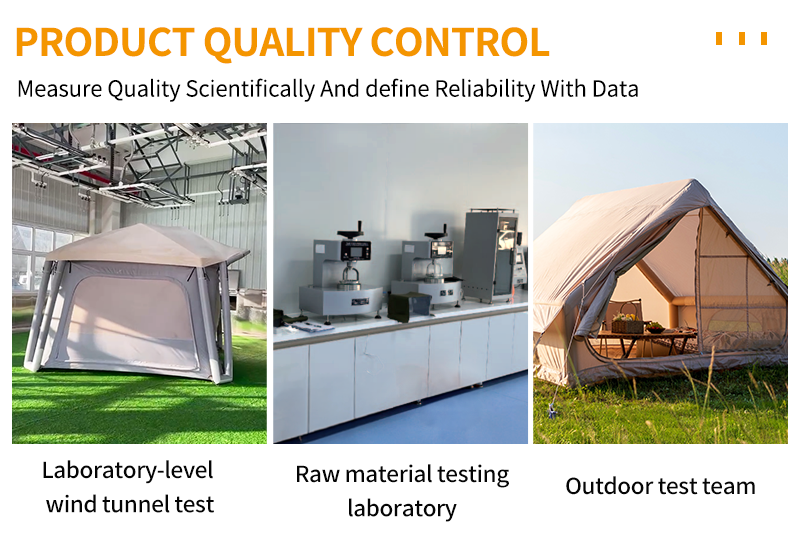
Unlike traditional tent systems that concentrate stress at metal joints and connection points, an inflatable tent distributes external loads evenly across pressurized air beams. This load distribution allows the tent to flex under wind pressure rather than resist it rigidly, significantly reducing the risk of sudden structural failure. In practical terms, this makes inflatable camping tent systems highly suitable for coastal areas, open plains, and regions with unpredictable weather conditions.
Commercial-grade inflatable tent designs from manufacturers such as MBNM incorporate reinforced anchoring systems, including high-tensile guy lines, ground stakes, and engineered load-bearing attachment points. These components work together to secure the tent firmly to the ground, ensuring stability during prolonged deployment.
Material engineering further enhances inflatable tent safety. Multi-layer TPU or PVC air tubes are designed to maintain internal pressure over extended periods, while high-denier outer fabrics provide resistance to tearing, abrasion, UV exposure, and moisture. In addition, modern inflatable camping tent systems often feature compartmentalized air chambers, meaning that localized damage will not cause total structural collapse.
Through Hebei Rongyida Trading Co., Ltd., international buyers can ensure that inflatable tent specifications align with local safety regulations, fire-retardant requirements, and environmental standards. This compliance is essential for hospitality operators, event organizers, and public-facing commercial projects.
From a risk management perspective, inflatable camping tent systems provide a robust and dependable accommodation solution when sourced from experienced manufacturers and deployed according to professional guidelines.
Setup Efficiency and Labor Cost of Inflatable Camping Tent Systems
Setup efficiency is one of the strongest operational advantages of inflatable camping tent systems, particularly in commercial environments where time and labor costs directly affect profitability. Traditional tent installations often require skilled labor teams, extended setup timelines, and detailed assembly procedures. Inflatable tent systems are designed to eliminate much of this complexity.
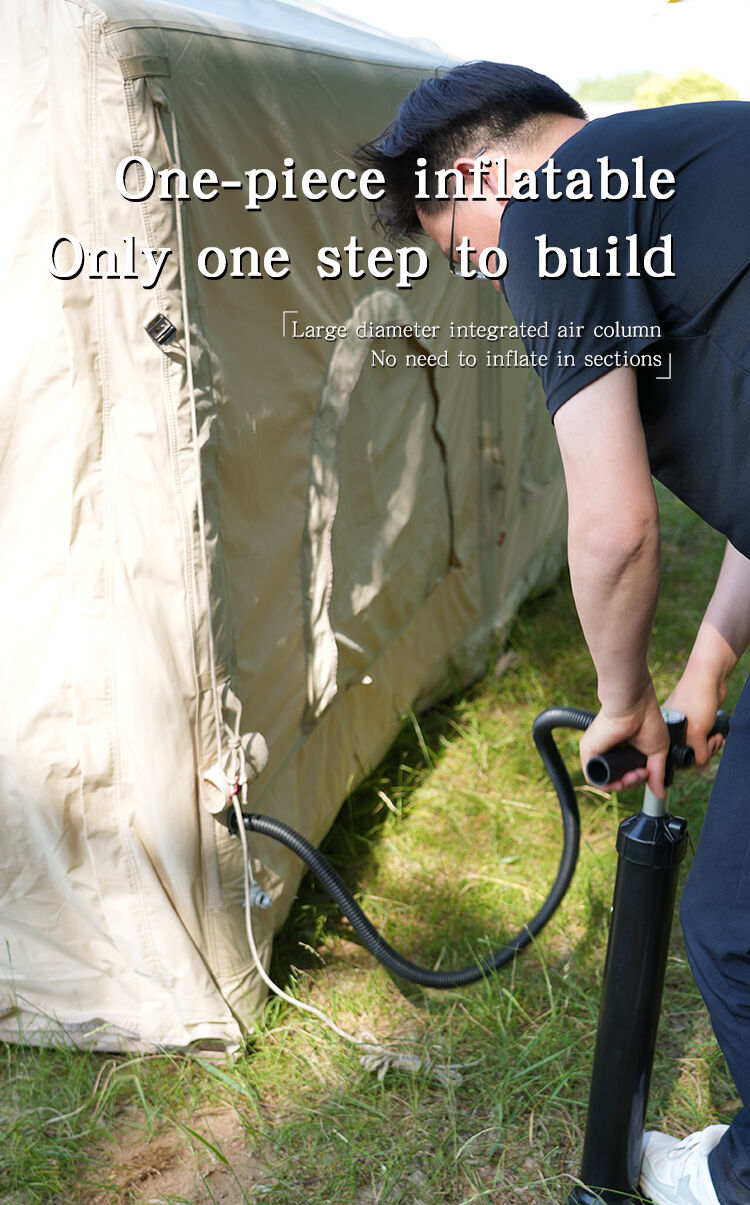
A standard commercial inflatable camping tent can typically be deployed by two to three workers using an electric air pump within a short timeframe. This rapid setup capability dramatically reduces labor costs, especially for businesses managing multiple installations, seasonal deployments, or frequent relocations.
The simplified installation process also minimizes human error. Because inflatable tents rely on integrated air-beam frameworks rather than separate poles and connectors, there are fewer components that can be incorrectly assembled or misplaced. This reliability is particularly valuable for rental operators and event companies working under tight schedules.
Manufacturers such as MBNM support this efficiency by providing standardized setup instructions, clear labeling, and optional technical guidance. Hebei Rongyida Trading Co., Ltd. assists international buyers by coordinating packaging, documentation, and logistics to ensure smooth deployment upon arrival.
From an operational standpoint, inflatable camping tent systems allow businesses to standardize installation workflows, reduce dependence on specialized labor, and scale operations quickly without compromising consistency.
Logistics and Storage Benefits of Inflatable Camping Tent
Logistics efficiency plays a decisive role in the commercial viability of large-scale tent deployments. Inflatable camping tent systems offer clear advantages in transportation, storage, and handling compared with traditional framed tent structures.
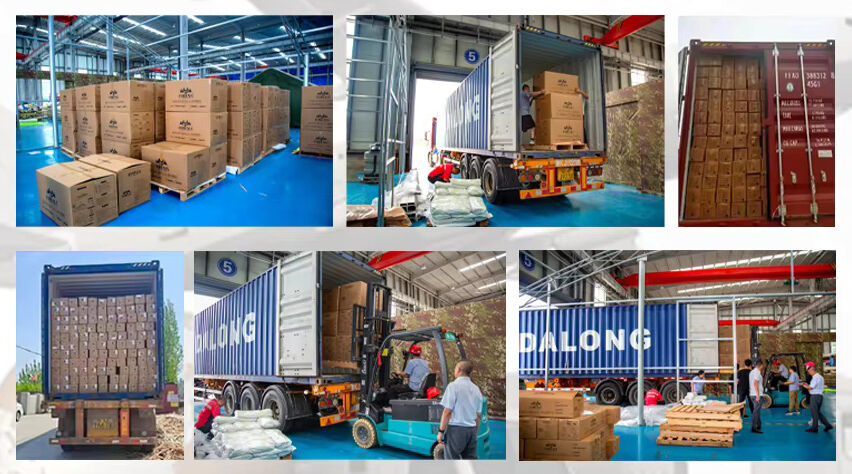
When deflated, an inflatable camping tent can be folded into a compact package that occupies significantly less space than metal-frame alternatives. This reduced volume allows more units to be loaded into a single container, lowering per-unit shipping costs for international buyers sourcing from manufacturers like MBNM.
Weight reduction further contributes to logistics efficiency. Inflatable tent systems eliminate heavy metal components, making them easier to handle during loading and unloading and reducing the risk of transport-related damage. This is particularly important for distributors and project contractors operating across multiple regions.
Storage is equally streamlined. Deflated inflatable camping tents can be stored in standard warehouse environments without specialized racking systems, reducing storage overhead during off-season periods. Inventory management becomes simpler and more cost-effective.
Hebei Rongyida Trading Co., Ltd. supports buyers by optimizing packing configurations, export documentation, and shipment coordination, ensuring that inflatable camping tent deliveries arrive efficiently and ready for deployment.
For businesses managing seasonal demand or multi-location operations, the logistics and storage advantages of inflatable camping tent systems translate directly into improved operational efficiency and cost control.
Inflatable Camping Tent ROI and Lifecycle Value
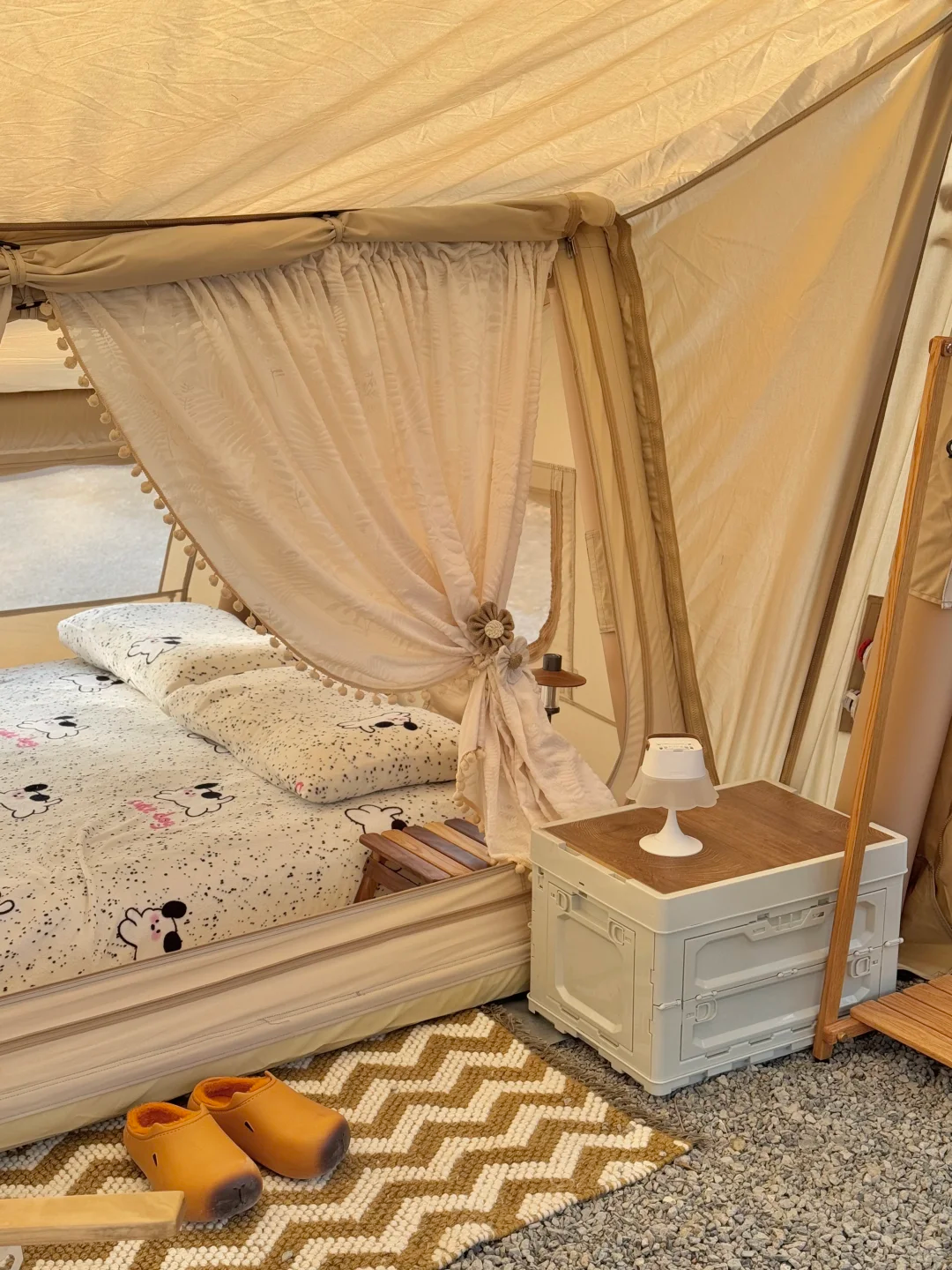
From an investment perspective, inflatable camping tents demonstrate a strong return on investment driven by their extended service life, operational flexibility, and low depreciation rate. Unlike rigid structures that are tied to a single location or purpose, inflatable tent systems function as mobile assets that can be redeployed, repurposed, and monetized repeatedly over multiple seasons and projects.
The lifecycle value of inflatable camping tents begins with their low initial capital requirement. Compared to permanent buildings or steel-framed accommodation units, inflatable tents require minimal groundwork, no heavy foundations, and limited regulatory approvals in many regions. This significantly lowers the entry barrier for new operators while preserving capital for marketing, site development, or expansion.
Over time, inflatable tents maintain value through adaptability. A tent initially used for glamping accommodation can later be reassigned for events, staff housing, or promotional activations. This reuse potential spreads acquisition costs across multiple revenue streams, improving asset efficiency and reducing the effective cost per use.
Maintenance economics further enhance ROI. Modern inflatable camping tents manufactured by brands such as MBNM are engineered with reinforced fabrics, replaceable air-beam systems, and modular components. Individual sections can be repaired or replaced without retiring the entire unit, extending service life well beyond traditional soft-structure tents.
When supported by a stable manufacturing partner like Hebei Rongyida Trading Co., Ltd., buyers also benefit from consistent spare part availability, technical documentation, and post-sale support—critical factors that protect long-term asset value and reduce unexpected operating expenses.
Recommended images:
Lifecycle diagram showing inflatable tent usage across multiple years
ROI comparison chart: inflatable tent vs traditional structure
Close-up of modular air-beam or replaceable fabric sections
Typical Commercial Use Scenarios of Inflatable Camping Tent
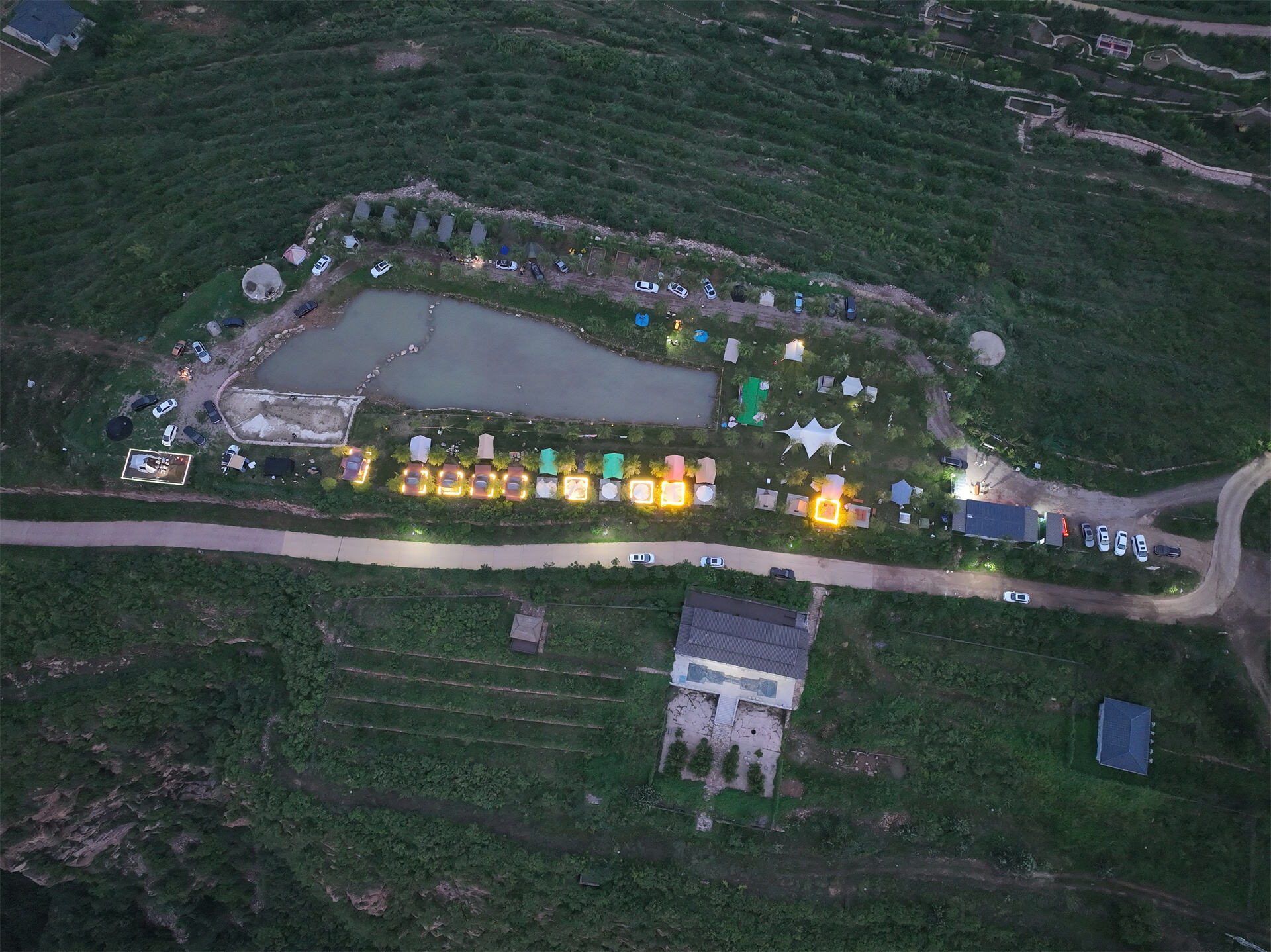
Inflatable camping tents are uniquely positioned to serve a wide range of commercial applications due to their portability, scalability, and fast deployment characteristics. This versatility allows a single product category to address multiple market segments without redesign or reengineering.
In the glamping and eco-resort sector, inflatable camping tents are widely used as luxury accommodation units. Their modern appearance, high interior ceiling, and customizable layouts support premium guest experiences while maintaining low environmental impact. Resorts can scale capacity seasonally by adding or removing units as demand fluctuates.
For event and exhibition operations, inflatable tents provide temporary yet visually distinctive spaces for product launches, brand activations, festivals, and trade shows. Fast installation and dismantling allow organizers to minimize venue rental periods and labor costs while maintaining professional presentation standards.
In government and institutional use, inflatable camping tents are frequently deployed for emergency response, temporary medical facilities, training camps, and disaster relief housing. Their rapid setup and transport efficiency make them suitable for time-critical deployments where traditional construction is impractical.
Commercial camps, mining sites, and infrastructure projects also rely on inflatable tents for temporary staff accommodation and operational facilities. Their ability to be relocated as projects progress offers a clear advantage over fixed housing solutions.
MBNM inflatable camping tent systems are designed to accommodate all these scenarios through flexible sizing, insulation options, and interior customization, ensuring that distributors and project buyers can serve diverse client requirements with a unified product line.
Why Brands Choose MBNM Inflatable Camping Tent Solutions
Brand owners and distributors increasingly select MBNM inflatable camping tent solutions not only for product performance, but for the reliability and scalability of the overall supply partnership. In competitive B2B markets, supplier capability is as critical as product design.
MBNM focuses on delivering inflatable camping tents that balance durability, aesthetics, and commercial practicality. Product designs prioritize reinforced stress points, stable air-beam geometry, and weather-resistant materials to meet the demands of long-term commercial use rather than short-term consumer camping.
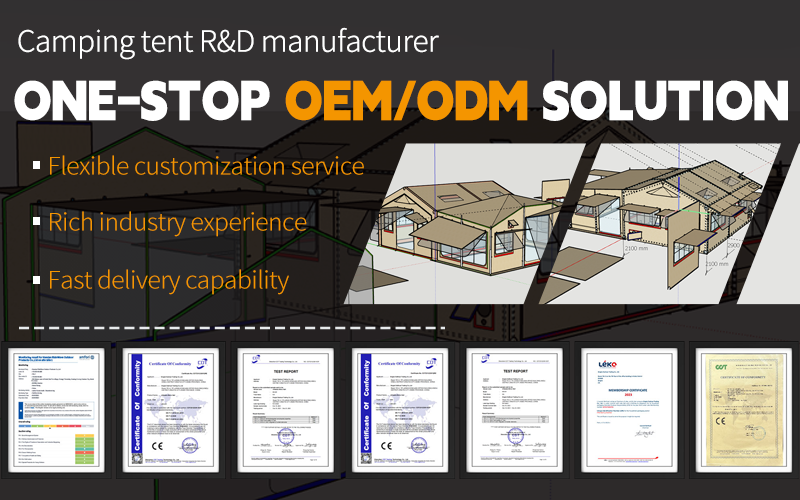
Customization is another decisive factor. MBNM supports OEM and ODM projects including size adjustments, fabric selection, insulation layers, window and door configurations, branding elements, and interior layout planning. This flexibility allows brand owners to differentiate their offerings without bearing the cost and risk of in-house product development.
Behind MBNM’s product capability stands Hebei Rongyida Trading Co., Ltd., providing structured production coordination, quality control, and international trade support. This ensures consistent manufacturing standards, stable lead times, and clear communication throughout the order lifecycle—key considerations for buyers managing bulk orders or repeat procurement.
For distributors, this combination translates into predictable quality, controlled costs, and long-term supply continuity. Rather than sourcing one-off products, brands gain a scalable inflatable tent platform that supports growth across multiple markets and applications.
Inflatable camping tents are no longer niche products reserved for temporary use. They have evolved into sophisticated commercial solutions that deliver strong ROI, operational efficiency, and long-term lifecycle value. For businesses seeking flexible accommodation, event infrastructure, or deployable shelter systems, inflatable tent technology represents a strategic investment rather than a short-term expense.
By combining modular design, rapid deployment, and scalable production, brands like MBNM, supported by Hebei Rongyida Trading Co., Ltd., enable B2B buyers to respond quickly to market demand while maintaining cost control and product consistency.
As the outdoor hospitality and temporary structure industries continue to expand, understanding inflatable tent technology, materials, and commercial applications becomes increasingly important for informed procurement decisions.
To help you explore this topic further, we recommend reading the following related articles, which dive deeper into inflatable tent structures, materials, and real-world deployment strategies across different industries.
The Ultimate Compliance Checklist for Importing Inflatable Camping Tents to the US and EU
Rooftop Tent Manufacturing Standards: What Global Distributors Must Know Before Placing Orders
How to Choose the Right Inflatable Camping Tent for Your Market A Practical B2B Sourcing Guide
How Retailers Can Select the Best Rooftop Tent Models Based on Local Outdoor Trends
Cost Breakdown for Inflatable Tents: How to Reduce Procurement Costs Without Sacrificing Quality